Restorative Justice Rooted in Indigenous Wisdom
Intercultural Engagement

Published on: November 3, 2025
Restorative Justice Rooted in Indigenous Wisdom
Restorative Justice isn’t just an approach; it’s a way of healing that has guided communities for generations. Rooted in Indigenous beliefs about balance, respect, and belonging, it reminds us that when harm happens, the path forward is not through punishment, but through connection.
In Indigenous traditions, justice has always been about restoring peace within the community. When harm occurred, the focus wasn’t simply on who was wrong—it was on how the whole community was affected and what could be done to make things right. Everyone involved—those harmed, those responsible, and the community—had a voice in creating healing and repair.
Today, youth justice programs are turning back to these Indigenous roots. Instead of following the Western idea of retributive justice, which focuses on blame and punishment, they are embracing Restorative Justice, which focuses on responsibility and repair. This approach reminds young people that their actions affect others and that they are part of something bigger than themselves.
Restorative Justice asks three main questions:
- Who was harmed?
- What can be done to make it right?
- How can we prevent it from happening again?
By asking these questions, youth and adults learn that healing happens through connection and understanding, not through isolation or fear.
Practical ways to implement restorative justice
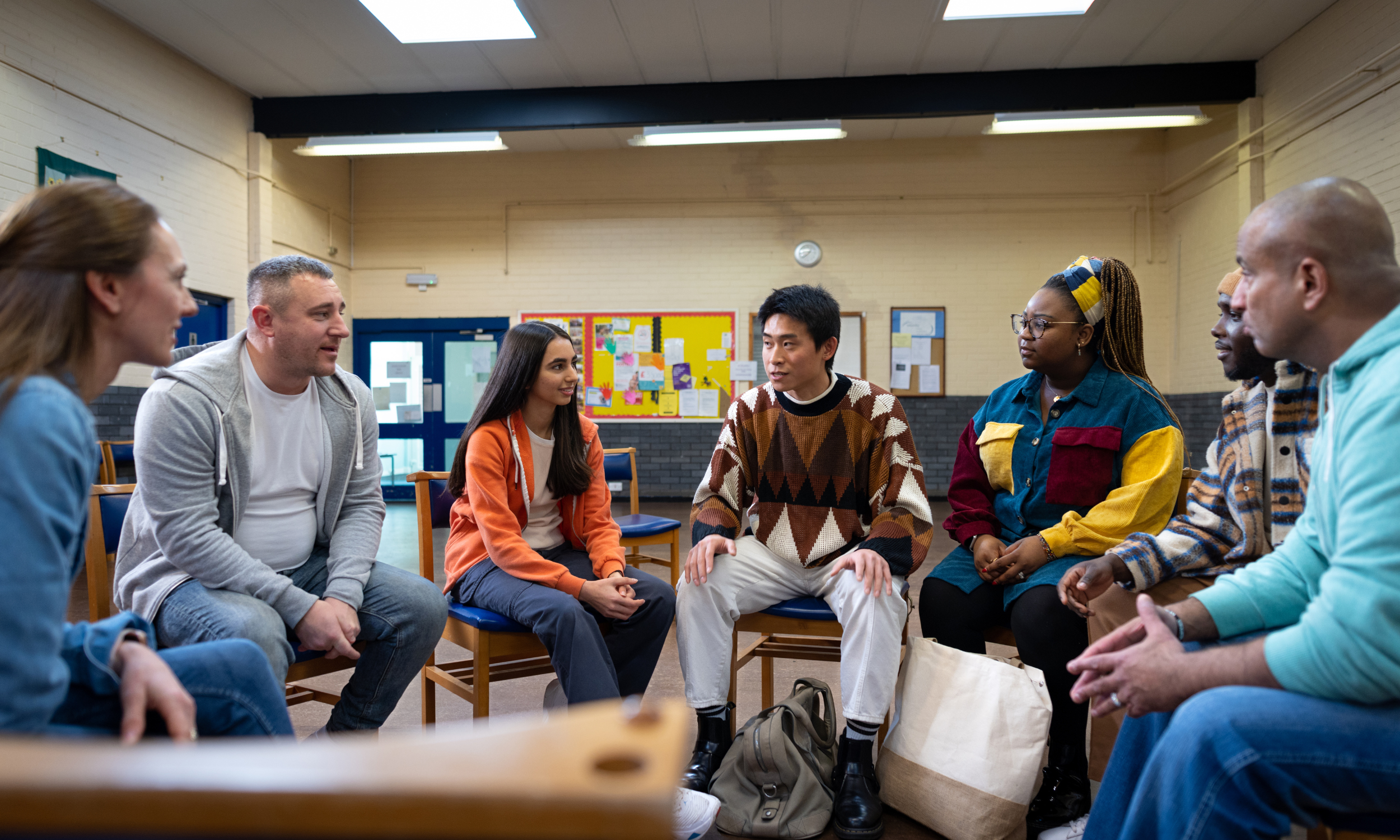
- Use Community Circles: Circles come from Indigenous traditions that promote equality and respect. Everyone sits in a circle to share their thoughts and feelings. This setup reminds participants that each person’s voice matters and that healing starts with listening.
- Focus on Relationship Repair: When harm occurs, invite everyone involved to talk about what happened. Encourage them to express their feelings and suggest how things can be made right. This turns a negative experience into an opportunity for growth.
- Honor Cultural Roots: Many Indigenous teachings show us that justice is a shared responsibility. Schools and organizations can honor these beliefs by learning about their local Indigenous communities and integrating their values into youth programs.
- Provide Intercultural Training: Understanding cultural differences helps make restorative practices more meaningful. Intercultural training teaches staff and youth workers how to respect and include Indigenous perspectives in their approach to healing and accountability.
- Build Ongoing Connections: Restorative Justice isn’t a one-time event; it’s a way of life. Encourage youth, families, and communities to hold regular circles and reflections to build trust and understanding before problems even arise.
Restorative justice and youth justice
Restorative Justice plays a powerful role in achieving true youth justice. Many young people who enter the justice system feel unheard, unseen, or disconnected. Restorative practices change that. They give youth a voice and a chance to take part in their own healing.
By focusing on conversation instead of punishment, Restorative Justice helps young people understand the impact of their choices while giving them the support they need to grow. It replaces fear and shame with empathy and responsibility. It also helps build stronger relationships between youth, families, and communities, relationships that prevent future harm.
When youth are guided through a process rooted in Indigenous values of respect and restoration, they begin to see justice not as something done to them, but as something done with them.
YIPA values training but also focuses on advocating and lobbying for Youth Intervention, learn more about how the current juvenile justice system treats them by continuing your learning with We Are All Criminals.
Related Learning Opportunities
People-Centered Leadership Certificate Course for Youth
4.4


Free to YIPA Members
-
 Completion Certificate
-
100% Online Course


The Art & Science of Youth Work certificate Course
4.9
Free to YIPA Members
-
Completion Certificate
-
100% Online Course

Building Inclusive Program Spaces for Indigenous Youth
5.0
Free to YIPA Members
-
Completion Certificate
-
100% Online Course
-
 Intercultural Engagement

Responding to Cultural Needs of Indigenous Youth
5.0
Free to YIPA Members
-
Completion Certificate
-
100% Online Course
-
Intercultural Engagement
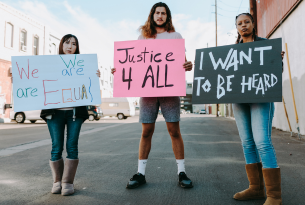
Creating Cultures of Liberation and Justice
5.0
Free to YIPA Members
-
Completion Certificate
-
100% Online Course
-
Intercultural Engagement
Expanding Your Cognitive Empathy
Free to YIPA Members
-
Completion Certificate
-
100% Online Course
-
Intercultural Engagement
Honoring Young People’s Cultural Identities
4.5
Free to YIPA Members
-
Completion Certificate
-
100% Online Course
-
Intercultural Engagement

Understanding Transphobic Microaggressions and How to Avoid Them
Free to YIPA Members
-
Completion Certificate
-
100% Online Course
-
Intercultural Engagement

Concepts and Actions in an Equitable Youth Work Practice
4.1

Free to YIPA Members
-
Completion Certificate
-
100% Online Course
-
Intercultural Engagement