
Intercultural Engagement
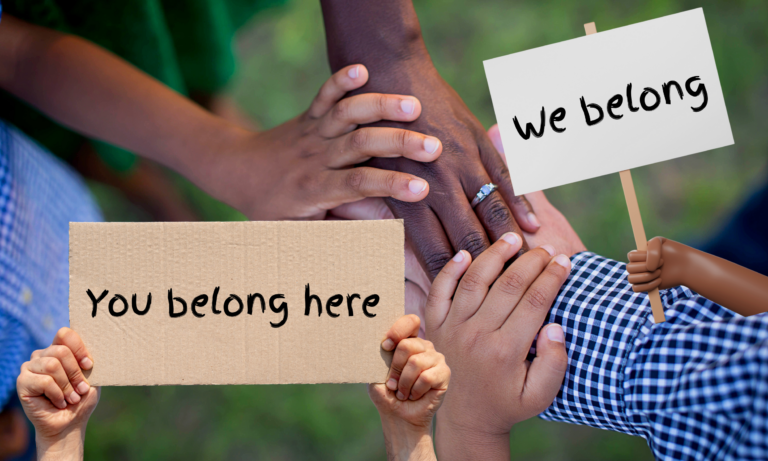
Seeing Beyond Labels
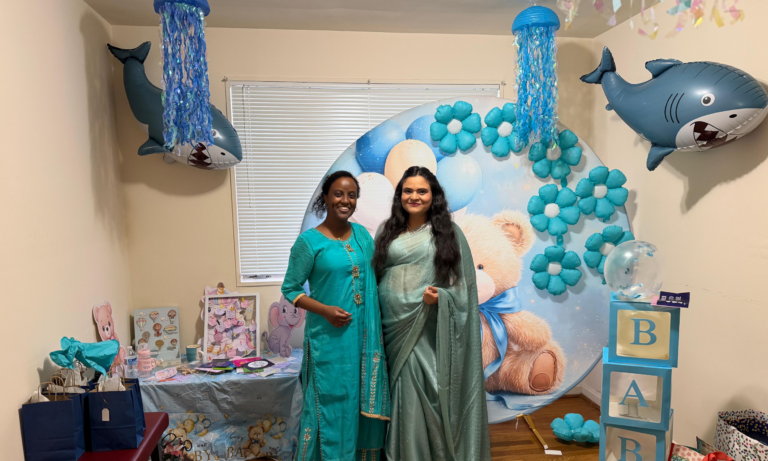
Love That Transcends Difference
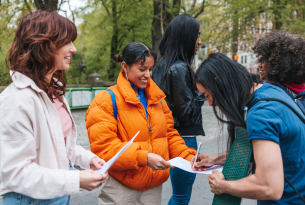
Actionable Support Strategies for LGBTQ+ Youth
Supporting Hispanic and Latinx Youth Through Trauma-Responsive Care

Belonging Beyond Resilience
Improve Your Relationship Game

Protective Factors For LGBTQ+ Youth

How AANHPI Heritage Month Boosts Visibility and Belonging

Honoring Black History Month Through Poetry and Hope

Engaging and Effective Intercultural Awareness Training
Youth work is social justice work. Equity is a moral imperative and it is critical that youth workers have ongoing intercultural awareness training. Understanding the significance of diversity, equity, and inclusion matters in your work. ... Read more
Frequently Asked Questions
What is intercultural engagement in youth work?
Intercultural engagement involves understanding, respecting, and effectively interacting with young people from different cultures, identities, backgrounds, abilities, and lived experiences.
How does YIPA teach intercultural communication skills?
We provide live online and on-demand intercultural training designed to expand cultural intelligence and help youth workers engage more effectively and respectfully across differences.
How can youth workers build inclusive environments?
Youth workers can build inclusive environments by creating spaces where young people feel valued, respected, represented, heard, and supported regardless of their identity or background.
How does diversity impact youth engagement?
Diversity influences how young people experience and interact with the world. Greater intercultural awareness helps youth workers build respectful relationships and foster a stronger sense of belonging.
What are common challenges in intercultural youth work?
Challenges may include unconscious assumptions, communication differences, limited cultural awareness, misunderstanding lived experiences, and responding effectively to discrimination or exclusion.
Does this training include diversity, equity, and inclusion strategies?
Yes. YIPA identifies diversity, equity, and inclusion as essential areas of youth worker development and incorporates these principles throughout its intercultural training.
Is this training beneficial for educators and community leaders?
Yes. The training can benefit educators and other professionals who support young people by strengthening awareness, inclusion, cultural understanding, and respectful engagement across differences.
What types of implicit biases may be impacting my work with young people?
Implicit biases can involve assumptions related to race, ethnicity, gender, disability, sexuality, culture, or other identities. Recognizing and challenging these assumptions can support more equitable and inclusive interactions.