How AANHPI Heritage Month Boosts Visibility and Belonging
Intercultural Engagement

Published on: May 18, 2026
May is Asian American, Native Hawaiian, and Pacific Islander (AANHPI) Heritage Month. For youth work programs, it can be easy to treat this as a moment for cultural celebration with global dishes, festivals, and famous figures. Those things matter, but they are only the surface.
A deeper opportunity exists: to help young people understand identity, belonging, and voice in a way that shapes how they see themselves and others.
Youth workers are in a unique position. You are not just spotlighting information about a culture. You are shaping environments where young people learn what it means to be seen and valued. AANHPI Heritage Month can become a powerful tool for that work.
Moving beyond visibility to belonging
Representation is important, but it is not the same as belonging. A poster on the wall or a themed activity might highlight AANHPI cultures, but it does not automatically create a space where AANHPI youth feel fully known.
Belonging requires deeper effort. It means creating environments where young people can bring their full identities without needing to explain or defend them. It also means helping non-AANHPI youth move past stereotypes and assumptions.
A unique challenge here is the “model minority” myth. Many AANHPI youth are seen as successful or problem-free, which can hide real struggles. Youth programs can unintentionally reinforce this by overlooking their needs.
Actions youth workers can take:
- Create space for personal storytelling, not just cultural facts
- Challenge stereotypes when they show up in conversations
- Invite youth to define their own identities instead of labeling them
- Recognize that AANHPI experiences are diverse, not one story
Connecting heritage to identity development
Youth work is, at its core, about identity development. AANHPI Heritage Month offers a chance to explore how culture, history, and personal experience intersect.
For AANHPI youth, this can mean navigating multiple identities such as home culture, school culture, and broader society. For other youth, it’s a chance to build empathy and understanding.
Instead of focusing only on historical figures or achievements, consider asking: How does heritage shape who you are today? This shifts the focus from the past to the present.
It also opens the door to meaningful conversations about immigration, language, family expectations, and belonging. These are topics many young people are already thinking about but may not have a safe space to discuss.
Ways to deepen identity work:
- Use reflective prompts like “What parts of your identity feel most important right now?”
- Facilitate small group discussions where youth can share experiences
- Incorporate art, writing, or storytelling as forms of expression
- Highlight both struggles and strengths within AANHPI communities
Building cross-cultural understanding
It would be shortsighted to see AANHPI Heritage Month as just for AANHPI youth. Truly, it is for everyone. Youth programs can use this time to build stronger cross-cultural relationships.
This matters because many young people are growing up in diverse communities but still feel divided by misunderstanding. Youth workers can bridge that gap. And there are many intercultural awareness trainings available for youth workers, including YIPA’s own library.
The key is to avoid turning culture into a performance. Instead of asking AANHPI youth to “teach” others, create shared learning experiences where everyone participates.
Focus on curiosity, respect, and listening. When young people learn how to engage across differences, they build skills that will last far beyond the program.
Practical ways to foster connection:
- Host dialogue circles where youth ask and answer questions together
- Explore themes like family, tradition, and identity across cultures
- Use collaborative projects that require teamwork across groups
- Set clear norms for respectful conversation and listening
Why this month matters in youth work
At its best, AANHPI Heritage Month is so much more than a one-time event. It is a doorway. It invites youth programs to think more intentionally about whose stories are told, whose voices are heard, and how identity is supported year-round.
For youth workers, this is the real opportunity. Not just to celebrate, but to build practices that foster genuine connection and belonging for youth of all cultures and backgrounds.
When young people feel seen, they engage more deeply. When they understand each other, they build stronger communities. And when programs take identity seriously, they create spaces where growth is possible for everyone.
AANHPI Heritage Month reminds us that culture is not an add-on to youth work. It is central to it.
Related Learning Opportunities
People-Centered Leadership Certificate Course for Youth
4.4


Free to YIPA Members
-
 Completion Certificate
-
100% Online Course


The Art & Science of Youth Work certificate Course
4.9
Free to YIPA Members
-
Completion Certificate
-
100% Online Course
Starting and Sustaining Equity and Antiracism Work
5.0
Free to YIPA Members
-
Completion Certificate
-
100% Online Course
-
 Intercultural Engagement
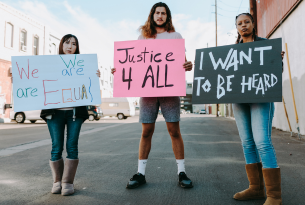
Creating Cultures of Liberation and Justice
5.0
Free to YIPA Members
-
Completion Certificate
-
100% Online Course
-
Intercultural Engagement

How White Youth Workers Can Talk About Race and Racism
5.0
Free to YIPA Members
-
100% Online Course
-
Intercultural Engagement
Honoring Young People’s Cultural Identities
4.5
Free to YIPA Members
-
Completion Certificate
-
100% Online Course
-
Intercultural Engagement
Expanding Your Cognitive Empathy
Free to YIPA Members
-
Completion Certificate
-
100% Online Course
-
Intercultural Engagement

Concepts and Actions in an Equitable Youth Work Practice
4.1

Free to YIPA Members
-
Completion Certificate
-
100% Online Course
-
Intercultural Engagement
Understanding Transphobic Microaggressions and How to Avoid Them
Free to YIPA Members
-
Completion Certificate
-
100% Online Course
-
Intercultural Engagement