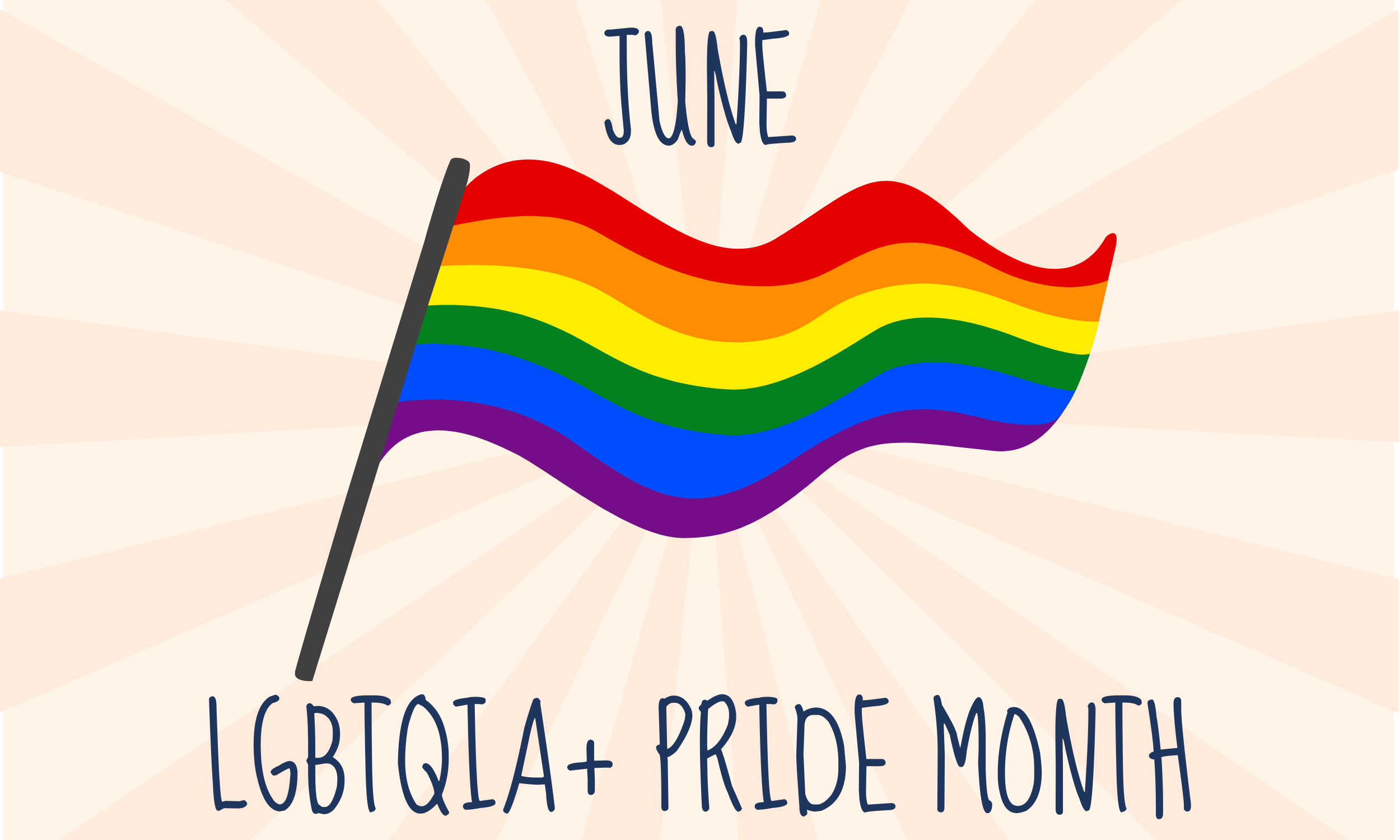
Protective Factors For LGBTQ+ Youth
At-Risk Behaviors

Published on: June 15, 2026
For LGBTQ+ young people, identity-affirming relationships and supportive environments can play an important role in strengthening mental health, building resilience, and improving overall well-being.
LGBTQ+ youth are not at higher risk because of their identity. Instead, mental health challenges are connected to the experiences they may face, including stigma, discrimination, rejection, and barriers to support. When young people don’t have access to safe and affirming adults, these experiences increase stress and impact their emotional well-being.
Creating supportive environments starts with understanding what young people may be navigating. Start by recognizing the role youth workers play in promoting positive mental health.
Understanding risk factors
Supporting LGBTQ+ youth starts with understanding the experiences that may affect their mental health. Risk factors are not about a young person’s identity. They are often connected to the barriers and challenges they may encounter.
Common risk factors include:
- Stigma and discrimination: Negative messages, exclusion, or unfair treatment can impact a young person’s sense of safety and belonging.
- Bullying and harassment: Experiences at school, online, or in the community can contribute to stress, isolation, and emotional distress.
- Family rejection or lack of acceptance: Young people benefit from supportive relationships with the adults in their lives. A lack of acceptance can create additional emotional challenges.
- Fear of judgment or rejection: Some youth may feel pressure to hide important parts of themselves, making it harder to seek support.
- Limited access to affirming resources: Barriers to supportive adults, inclusive programs, or mental health services can prevent youth from receiving needed care.
- Chronic stress: Ongoing experiences of feeling unsafe or misunderstood can impact a young person’s ability to cope.
Learning to identify these warning signs helps youth workers respond early with compassion and connection. Exploring training focused on working with at-risk youth can strengthen skills in recognizing changes in behavior, understanding challenges young people may face, and connecting youth with meaningful support.
Identifying protective factors
While recognizing risk factors is important, understanding protective factors is essential to helping LGBTQ+ young people build resilience.
Search Institute’s Developmental Assets® framework highlights that young people thrive when they have positive relationships, opportunities, and internal strengths that help them navigate challenges.
Protective factors that support LGBTQ+ youth mental health include:
- Caring adults who listen and show consistent support
- Safe, welcoming spaces where youth feel valued
- Positive relationships with peers and trusted mentors
- Opportunities for youth voice, leadership, and belonging
- Access to affirming mental health resources
- Strong self-worth and a positive sense of identity
In the summer of 2025, we interviewed Oliver, a high school student who identifies as transgender and bisexual, about the benefits of identity-affirming spaces. Oliver shared how support from trusted adults, friends, and family helped strengthen his confidence and sense of belonging.
Members of YIPA can access the full training in their customizable Learning Management System. Not sure if you’re a member? Check out our list of current members.
To learn more about this training visit our course web page to get a sneak peak of The Benefits of Identity-Affirming Spaces for All Youth.
Improving the mental health of LGBTQ+ young people requires continued learning, understanding, and commitment from the adults who support them. By recognizing challenges, building protective factors, and creating affirming relationships, youth workers can help young people feel connected, safe, supported, and empowered to thrive.
Related Learning Opportunities
People-Centered Leadership Certificate Course for Youth
4.4


Free to YIPA Members
-
 Completion Certificate
-
100% Online Course


The Art & Science of Youth Work certificate Course
4.9
Free to YIPA Members
-
Completion Certificate
-
100% Online Course

Exploring Trends in Tech Use and Internet Safety with Youth
5.0
Free to YIPA Members
-
Completion Certificate
-
100% Online Course
-
At-Risk Behaviors

ADHD Awareness and Strategies for Youth Workers
5.0
Free to YIPA Members
-
Completion Certificate
-
100% Online Course
-
At-Risk Behaviors

Understanding Adverse Childhood Experiences (ACEs) in Youth Work
5.0
Free to YIPA Members
-
Completion Certificate
-
100% Online Course
-
At-Risk Behaviors
Preventing At-Risk Behaviors
Free to YIPA Members
-
Completion Certificate
-
100% Online Course
-
At-Risk Behaviors
Recognizing and Responding to At-Risk Behaviors
4.6
Free to YIPA Members
-
Completion Certificate
-
100% Online Course
-
At-Risk Behaviors
Using Brain Science to Explain At-Risk Behaviors
Free to YIPA Members
-
Completion Certificate
-
100% Online Course
-
At-Risk Behaviors
Challenging Misconceptions About At-Risk Behaviors
4.5
Free to YIPA Members
-
At-Risk Behaviors