
Art & Science of Youth Work
Live & Recorded Course


The Incremental Strategy of Harm Reduction in Youth Work
Many youth do not know how to avoid or escape harmful situations and circumstances, even if they want to.
Read More
Live & Recorded Course


How You Can Help Youth Manage Anxiety
Anxiety is a normal part of the pre-teen and adolescent years. But unmanaged or excessive anxiety negatively impacts youth development.
Read More
Live & Recorded Course


Identifying and Addressing Depression in Youth
Youth depression is on the rise in the United States. As a youth worker, it’s important to be aware of the red flags and learn when and how to intervene.
Read More
Live & Recorded Course
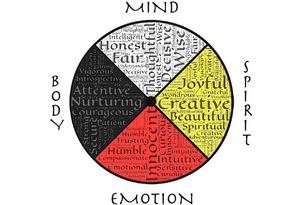
Honoring Indigenous Traditions for Youth Health and Wellbeing
The health and well-being of indigenous youth is often impacted by historical trauma passed on through generations. Gain insight about the impact of historical trauma within indigenous communities.
Read More
Live & Recorded Course


Meditative Movements™ to Self-Regulate and De-escalate
Meditative Movements™ is an innovative technique that integrates easy to follow movements to improve self-care and self-regulation. The movements are adaptable to anyone’s physical ability and incorporate breathing strategies and...
Read More
Live & Recorded Course
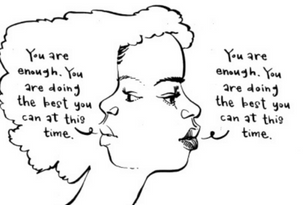
Mirroring and Modeling Social Emotional Well-being for Youth
The Collaborative for Academic, Social, and Emotional Learning (CASEL) says, “social and emotional learning (SEL) is the process through which children and adults understand and manage emotions, set and achieve...
Read More
Live & Recorded Course
Pre-prevention Tools to Improve Suicide Prevention
Suicide has become the second-leading cause of death for young people aged 10-24 in the United States. Learn to recognize early warning signs and gain pre-prevention tools to build emotional...
Read More
Live & Recorded Course

Addressing Youth Mental Health Challenges
It’s very likely that you will work with young people that could develop mental health challenges. So, it’s critical that you understand the differences between mental health and mental illness.
Read More
Live & Recorded Course
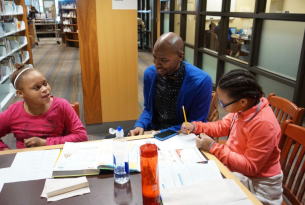
Oppressive Trauma-informed Youth Work
Youth workers must recognize the effects of oppressive trauma and learn strategies to promote healing and resiliency. You can foster system accountability throughout your organization and youth programs.
Read More

