What’s Really Behind At-Risk Behaviors
Your Tool Description
At-Risk Behaviors

- When young people engage in risky behaviors like skipping school, using substances, or acting out, they may think something is wrong with them. But these behaviors are not about being bad. They are usually responses to emotions or needs that feel too big or confusing to express. At-risk behaviors can help avoid pain, release stress, or create a sense of belonging. Everyone does this at times. Adults, teens, and children all find ways to cope with unmet needs. While some young people act out because of behavioral conditions such as conduct disorder, but that is the exception rather than the rule.
- This tool helps young people see that behavior has meaning. When young people can find ways to express their emotions through talking, art, music, movement, or other healthy outlets, they begin to make sense of what they are feeling.
- Why it's important: As awareness grows, at-risk behaviors often decrease. Most importantly, young people begin to feel proud of how they handle tough moments, build confidence and self-respect, and ask for support sooner when they need it.
Awareness Tools
Promote self-discovery through reflection

Have a question?
Click the Ask a Question button and we'll get back to you within 1 business day.
Your Skill-Building Objectives

Behavior Management
Encouraging behaviors that are better choices
Emotional Regulation
Helping young people to manage emotions

Youth Empowerment
Providing developmentally appropriate support
Related Learning Opportunities
People-Centered Leadership Certificate Course
4.4


Free to YIPA Members
-
 Completion Certificate
-
100% Online Course


The Art & Science of Youth Work certificate Course
4.9
Free to YIPA Members
-
Completion Certificate
-
100% Online Course
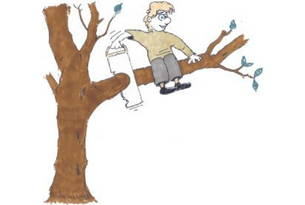
Self-Sabotaging Behaviors
5.0
Free to YIPA Members
-
Completion Certificate
-
100% Online Course
-
At-Risk Behaviors

Relationships, Girls, and Juvenile Justice Interventions
5.0
Free to YIPA Members
-
Completion Certificate
-
100% Online Course
-
At-Risk Behaviors
ADHD Awareness and Strategies for Youth Workers
5.0
Free to YIPA Members
-
Completion Certificate
-
100% Online Course
-
At-Risk Behaviors
Recognizing and Responding to At-Risk Behaviors
4.6
Free to YIPA Members
-
Completion Certificate
-
100% Online Course
-
At-Risk Behaviors
Preventing At-Risk Behaviors
Free to YIPA Members
-
Completion Certificate
-
100% Online Course
-
At-Risk Behaviors