Recognizing Domestic Violence and Responding with Care
Your Course Description
Mental Health Basics

- Many young people are impacted by domestic violence, whether they experience it directly or witness it at home. Its effects can show up in their behavior, relationships, triggers, and sense of safety, yet these signs often go unseen.
- This training gives youth workers clear guidance on what domestic violence is, how it affects young people, and how trauma shows up in the nervous system and day-to-day interactions.
- You’ll learn practical, trauma-informed ways to respond, support healing, and protect their own well-being while doing this work. Join us to build the confidence and skills to recognize harm early, respond with care, and be a stabilizing presence for youth who need it most.
Your Learning Objectives
- Be able to explain what domestic violence is and why it occurs
- Identify common signs and impacts of domestic violence on young people
- Recognize behavioral and nervous-system responses that may signal trauma
- Use trauma-informed approaches to support youth experiencing or disclosing violence
- Implement strategies to prevent vicarious trauma and care for your own well-being
Your Course Details
-
 Completion Certificate
-
Youth Worker Track
-
This training will count as 1.5 CE hours for most boards. Please contact your board directly with questions on submitting. Course details for CE submissions provided.



Your Trainer
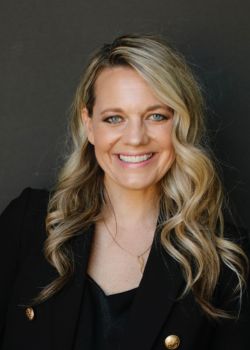 Dr. Jennifer Clifden has lived and witnessed the toll burnout takes on those who give tirelessly. She guides human-service professionals to shift from self-sacrifice to self-healing, transforming the pressures of their calling into personal strengths and using burnout as a pathway for growth. With a deep passion for preventing the harmful effects of compassion fatigue and helping retain those called to healing and helping professions, Jen works to safeguard the well-being of the workforce our youth and communities depend on. Drawing on 29 years as a K–8 teacher, university teacher educator, mental health researcher, yoga instructor, and mother of three, she designs and delivers on-demand trainings, transformative on-site professional development, energizing keynotes, and restorative community practice circles that draw on the science of thriving to rebuild connection, reinforce personal power, and foster self-healing. Jen shows caregivers how their capacity to care can become a source of healing, growth, and thriving, not depletion. Learn more at www.drjenclifden.com.
  Jonathan Boorman is a Licensed Marriage and Family Therapist with almost 20 years of experience working with children, adults, couples, and families. Among his areas of expertise are EMDR (Eye Movement Desensitization and Reprocessing), infidelity, anxiety, depression, and trauma. Jonathan also has extensive experience working with gifted children, adults and their families, as well as individuals and families living with Autism Spectrum Disorders. Jonathan's therapeutic approach is to provide support to help others effectively address personal life challenges. He combines traditional complementary methodologies and current neurological research to offer a highly personalized approach tailored to each person. Jonathan is committed to assisting each individual build on their existing strengths to live their best possible life.
Have a question?
Click the Ask a Question button and we'll get back to you within 1 business day.
Your Skill-Building Objectives
Mental Health Awareness
Recognizing and responding to mental health concerns
Trauma-Informed Care
Creating a healing space for growth
Youth Development
Inspiring young people to thrive

Communication
Listening and speaking to deeply connect

Self-Care
Prioritizing well-being to give your best
Resilience Building
Teaching coping strategies to overcome barriers
What YIPA members are saying

The instructors were very knowledgeable and passionate about the subject matter.
Amazing content and very well delivered.
Informative on the impacts on children.
Related Learning Opportunities
People-Centered Leadership Certificate Course
4.4


Free to YIPA Members
-
Completion Certificate
-
 100% Online Course
The Art & Science of Youth Work certificate Course
4.9
Free to YIPA Members
-
Completion Certificate
-
100% Online Course

Suicide Prevention: Pathway to Care and Postvention
5.0
Free to YIPA Members
-
Completion Certificate
-
100% Online Course
-
Mental Health Basics

Youth, Social Media, and Body Image
5.0
Free to YIPA Members
-
Completion Certificate
-
100% Online Course
-
Mental Health Basics
Addressing Suicidal Thoughts and Plans
5.0
Free to YIPA Members
-
Completion Certificate
-
100% Online Course
-
Mental Health Basics
Internet Gaming and Young People
Free to YIPA Members
-
Completion Certificate
-
100% Online Course
-
Mental Health Basics
Addressing Mental Health Stigma in Your Youth Work
Free to YIPA Members
-
Completion Certificate
-
100% Online Course
-
Mental Health Basics

I Am Safe: Mind-Body Skills for Teen Mental Health
Free to YIPA Members
-
Completion Certificate
-
100% Online Course
-
Mental Health Basics

Regulating Stress to Revitalize Mental Health
4.4
Free to YIPA Members
-
Completion Certificate
-
100% Online Course
-
Mental Health Basics