Why Today’s Young People Need Us To Respond Differently
Mental Health Basics

Published on: December 15, 2025
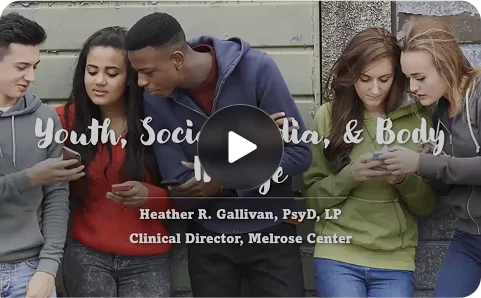
Young people today interact with screens more than any previous generation has. Youth workers need to be aware of both the benefits and challenges to help youth navigate this new reality. The environment shaping their brains is always on, always stimulating, and always demanding attention. Screens aren’t just “extra distractions” anymore. They’ve become part of the landscape, influencing how the adolescent brain develops, interprets experiences, and responds to stress.
You’ve likely seen the effects up close: big emotions that escalate quickly, trouble staying focused, stress that lingers, or young people who seem to shut down before a conversation even begins. It can feel like everything is happening faster, louder, and with more intensity.
But this isn’t about blaming technology. It’s about understanding the incredible amount of development happening inside young people’s brains, and how that development shapes the way they respond to screens, to stress, and to us.
What’s really happening inside the adolescent brain
Adolescence is one of the most dramatic periods of brain development. Entire networks are strengthening and pruning, wiring and rewiring. Meanwhile, young people are trying to figure out who they are and where they belong. Screens don’t cause these developmental changes, but they interact with them in powerful ways.
Here are a few key realities to keep in mind:
- Reward pathways are extra sensitive. Likes, notifications, leveling up, or “just one more scroll” activate dopamine systems that are already more reactive in adolescence.
- Emotions come online before regulation skills do. The amygdala is fully powered, but the prefrontal cortex, the part that helps with planning, calming, and decision-making, is still under construction.
- Stress systems are easily triggered. Many young people live with chronic stress. Digital spaces can amplify those feelings by speeding up comparison, conflict, or overwhelm.
- Identity formation is happening publicly. Every decision, interest, opinion, or version of themselves can be witnessed, and commented on, in real time.
When you understand these developmental dynamics, behaviors that might feel frustrating or confusing suddenly make sense. A shutdown, an outburst, a social media spiral, or an inability to disengage from a screen isn’t a failure of willpower, it’s a reflection of a brain in progress.
Screens can activate stress, even when youth are seeking relief
Here’s a helpful lens:
Screens often activate the same stress systems young people are trying to soothe.
A teen may scroll to relax and end up overwhelmed by intensity or comparison. A conflict that starts at school may continue online long after the day ends. A youth might seem disengaged when in reality their nervous system is overstimulated and trying to protect them.
The goal isn’t to remove screens from their lives. Instead, you can focus on helping young people practice regulation and resilience within a high-stimulation world.
Practical, brain-friendly approaches for youth workers
You don’t need to be a neuroscientist to support the adolescent brain!
Small, thoughtful shifts in how you respond can make a big difference:
- Normalize big reactions.
Reassure youth that nothing is “wrong” with them, their brains are doing the creative, messy work of developing. - Incorporate micro-moments of regulation.
Stretching, breathing, sensory resets, a few minutes of quiet, these all help young people toggle out of stress mode. - Guide them to notice body cues.
Help them identify what they feel physically like tightness, restlessness, or heaviness, before it becomes overwhelm. - Stay curious instead of controlling.
Instead of “Put the phone away,” try “What are you hoping this will help you feel right now?” Curiosity opens doors; control closes them. - Co-create agreements.
Invite youth to help design program norms around technology use. Shared ownership builds buy-in. - Support healthy identity exploration.
Be the steady adult who can hold space for the many versions they’re trying on.
Taking the next step
Adolescence hasn’t changed, but the environment shaping adolescent development has. When you understand what’s happening in the brain, your responses become more intentional and effective. The work becomes less about managing behavior and more about supporting growth.
If you want to go deeper into the brain science behind teens, screens, and youth behavior, there are many youth worker training options out there. Our new Interview-Style training, Teens, Screens, and the Science of Adolescence, dives into the latest research on adolescent development and offers clear, practical guidance for youth workers.
The more we understand their world, the better we can show up with the steady, compassionate support that helps young people grow into their strongest, most grounded selves.
Related Learning Opportunities

People-Centered Leadership Certificate Course
4.4


Free to YIPA Members
-
 Completion Certificate
-
100% Online Course


The Art & Science of Youth Work certificate Course
4.9
Free to YIPA Members
-
Completion Certificate
-
100% Online Course

Navigating Grief and Loss with Young People
5.0
Free to YIPA Members
-
Completion Certificate
-
100% Online Course
-
Mental Health Basics

Supporting Young People with Eating Disorders
5.0
Free to YIPA Members
-
Completion Certificate
-
100% Online Course
-
Mental Health Basics

Recognizing Domestic Violence and Responding with Care
Free to YIPA Members
-
Completion Certificate
-
100% Online Course
-
Mental Health Basics
Addressing Mental Health Stigma in Your Youth Work
Free to YIPA Members
-
Completion Certificate
-
100% Online Course
-
Mental Health Basics

Regulating Stress to Revitalize Mental Health
4.4
Free to YIPA Members
-
Completion Certificate
-
100% Online Course
-
Mental Health Basics