Wanting to Grow is Not the Same as Knowing How to Grow
Youth Development

Published on: October 5, 2026
Youth workers spend a lot of time thinking about growth. How can we help a young person build confidence? Develop new skills? Make sense of a difficult experience? Try something that feels uncomfortable? Learn from a mistake? Discover something new about themselves?
Growth is at the heart of youth work. We spend our days helping young people learn, develop, reflect, try again, and discover who they are, yet we may not have developed those same practices for ourselves.
So, how intentional are you about your own growth?
Most of us would probably say we value learning. We attend trainings. We read articles. We listen to podcasts. We learn new approaches and collect new ideas. We may even say that professional development is important to us.
But wanting to learn and knowing how to learn are not necessarily the same thing.
Somewhere along the way, we stopped being students
For much of our lives, learning was built into our environment.
Someone told us what we were supposed to learn. We had classes, assignments, practice, feedback, tests, and opportunities to try again. Reflection was often part of the process.
Then formal schooling ended.
Nobody necessarily tells us what we should be learning anymore. Our days become filled with responsibilities, deadlines, relationships, and problems that need our attention. Learning can easily become something we do when we have time rather than something we intentionally notice and practice naturally in everything.
And that may be one reason lifelong learning can be harder than we imagine.
We don’t necessarily lack opportunities to learn. We lack the habit of recognizing the learning that is already happening around us.
Your work is full of learning
Think about what happens during an ordinary day of youth work.
A young person responds differently than you expected. A conversation becomes unexpectedly difficult. A coworker gives you feedback. You notice yourself becoming frustrated. An activity works beautifully—or completely falls flat. You try a new approach and discover that it needs adjusting.
Every one of those moments contains information.
But information doesn’t automatically become learning.
Learning happens when you pause long enough to ask questions such as:
- What happened here?
- What did I notice?
- What did I assume?
- What did I do?
- What seemed to work?
- What didn’t?
- What might I try differently next time?
- What did this experience teach me about myself, young people, or my work?
Reflection like this turns experience into something you can learn from.
Growth requires paying attention
Self-reflection doesn’t have to mean keeping a journal every night or spending an hour analyzing every interaction.
It can be much smaller. Simpler. And the easier, the better so that you’ll do it naturally.
At the end of a challenging conversation, take two minutes before moving on. After receiving feedback, resist the urge to immediately explain yourself. When something goes particularly well, ask yourself what contributed to it. When you feel irritated or defensive, become curious about what that reaction might be telling you.
Try choosing one question to carry with you for a week. Here are a few examples to get you started:
- What am I noticing?
- What is this experience teaching me?
- What could I do differently next time?
These small pauses create a practice of paying attention. Over time, they can help you become more curious about your own behavior, more open to feedback, and more intentional about the kind of youth worker you are becoming.
We’re still growing, too
Young people don’t arrive at a finished version of themselves. Neither do we.
Our youth work experience doesn’t mean we’ve stopped growing. It just gives us more material to learn from.
The challenge is developing the discipline to notice it.
Maybe lifelong learning isn’t primarily about finding more things to learn.
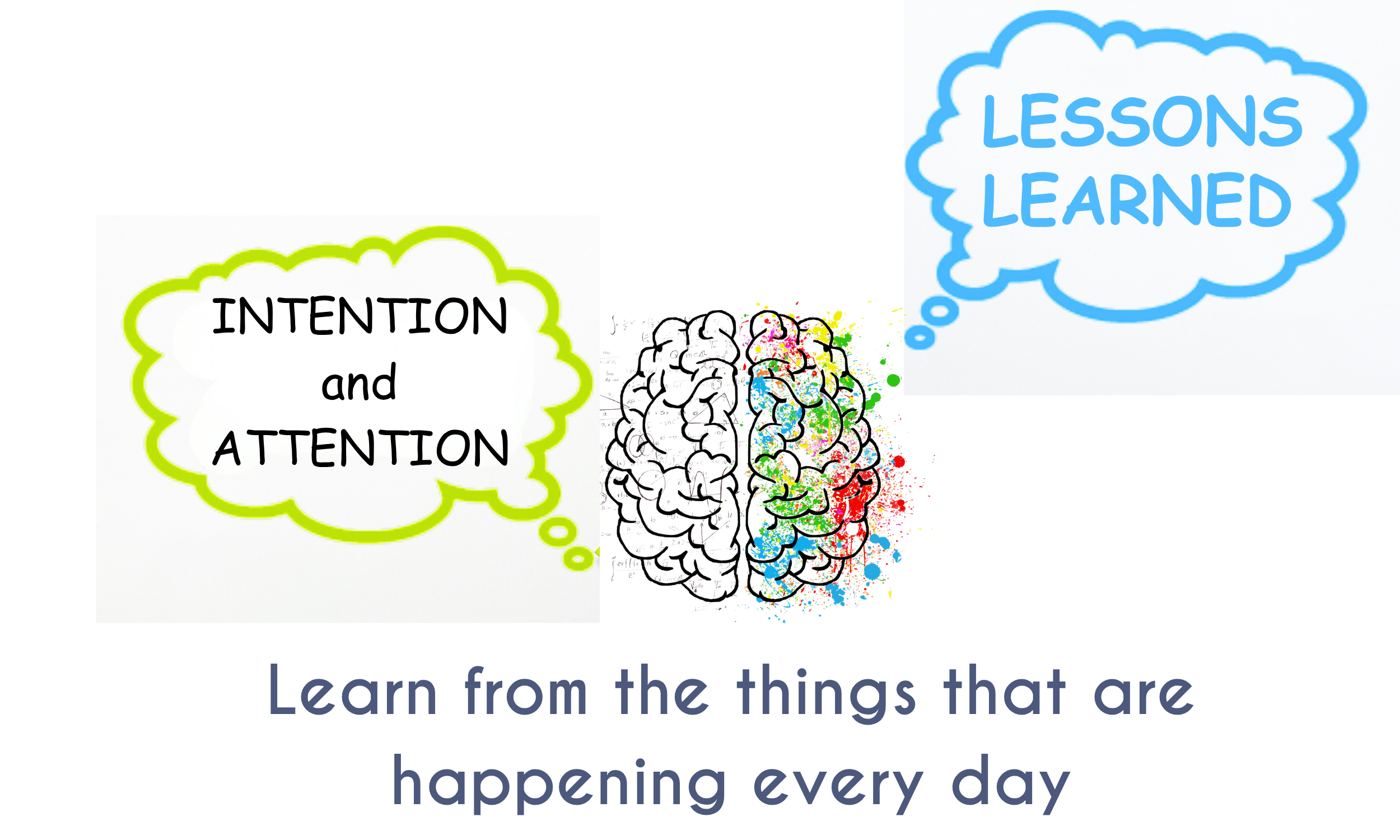
Maybe it’s about becoming better at learning from the things that are already happening every day. It requires developing the habit of paying attention to our own experience. Everyday interactions, mistakes, discomfort, successes, questions, conflict, and even moments that don’t go as planned can become learning opportunities. But only if we notice them.
Growth is central to our work with young people. Our growth should be part of that work, too.
YIPA offers a wide array of learning opportunities and professional development for youth workers. Find what fits for your own learning journey!
Related Learning Opportunities
People-Centered Leadership Certificate Course for Youth
4.4


Free to YIPA Members
-
 Completion Certificate
-
 100% Online Course
The Art & Science of Youth Work certificate Course
4.9
Free to YIPA Members
-
Completion Certificate
-
100% Online Course

Supporting Youth in Life Transitions, Career Exploration, and Workforce Navigation
5.0
Free to YIPA Members
-
Completion Certificate
-
100% Online Course
-
Youth Development

Enhancing Executive Functioning Skills
5.0
Free to YIPA Members
-
Completion Certificate
-
100% Online Course
-
Youth Development

Positive Youth Development in Talking About Sexuality Topics
5.0
Free to YIPA Members
-
Completion Certificate
-
100% Online Course
-
Youth Development
Embracing Positive Youth Development
Free to YIPA Members
-
Completion Certificate
-
100% Online Course
-
Youth Development
Family Dynamics Shaped by Domestic Violence
Free to YIPA Members
-
Completion Certificate
-
100% Online Course
-
Youth Development