Honoring Black History Month Through Poetry and Hope
Intercultural Engagement

Published on: February 2, 2026
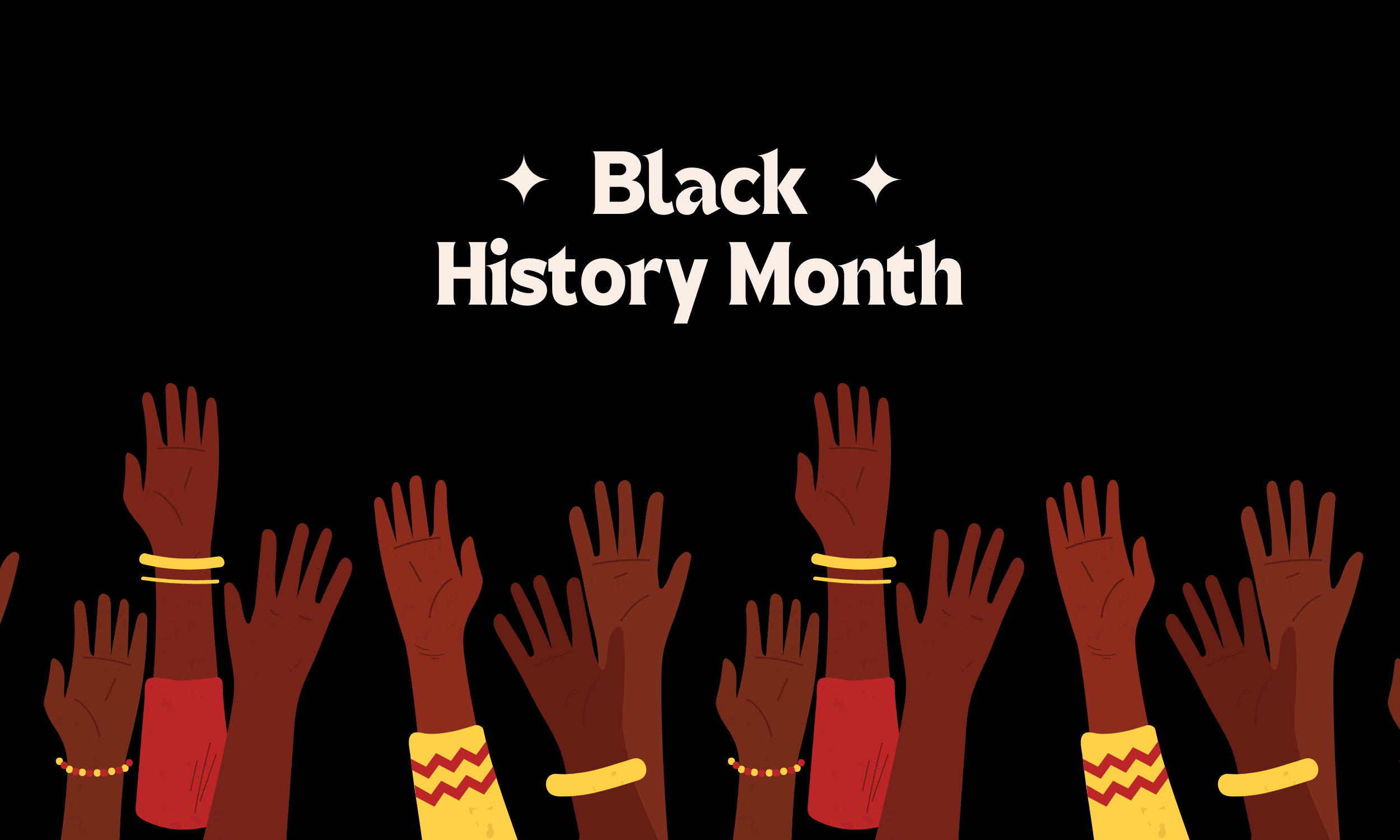
Black History Month is a meaningful time for youth workers to create space for learning, reflection, and conversation. It offers an opportunity to celebrate Black voices while helping young people connect history to their own lives.
The Hill We Climb by Amanda Gorman is a poem that offers a powerful way to inspire dialogue, hope, and growth with youth.
Honoring Black History Month through poetry
Black History Month is not only about looking back. It is also about lifting up voices that continue to shape the present. Poetry has long played an important role in Black history, used to share truth, express pain, and imagine a better future. The Hill We Climb fits within this tradition, offering language that is both honest and hopeful.
For youth workers, poetry can be a meaningful tool. It allows young people to explore big ideas in creative and personal ways. The poem names struggle without staying stuck there. Instead, it points toward possibility, which can feel grounding for youth navigating uncertainty.
Poetry also encourages listening, reflection, and discussion instead of quick answers. Youth workers can use The Hill We Climb to spark conversations about identity, history, and community in ways that feel accessible and engaging.
Youth workers can use the poem to:
- Start conversations about Black history and current events
- Encourage youth to share their own stories and feelings
- Reinforce that young voices matter and deserve space
Teaching hope, courage, and responsibility
“For there is always light, if only we’re brave enough to see it.
If only we’re brave enough to be it.” — Amanda Gorman
One of the strongest lessons in The Hill We Climb is that hope must be paired with action. The poem does not pretend challenges are easy. It names them clearly, helping young people feel seen while still pointing forward.
Youth workers often support young people who feel tired, discouraged, or unheard. This poem offers language for those feelings while showing that hope is alive. Hope is choosing to keep going, even when the climb feels hard.
The poem also emphasizes responsibility. It reminds youth that the future belongs to everyone. Youth workers can use this message to ask thoughtful questions: What does responsibility look like in your program? What small actions can make a difference?
Unity is another key theme. The poem invites people to work together without ignoring differences. Youth workers can use this idea to encourage empathy, teamwork, and respectful dialogue.
Key themes to highlight include:
- Hope that leads to action
- Courage in speaking truth
- Responsibility shared across generations
Helping young people find their voice
At its core, The Hill We Climb is about voice. Words can be powerful tools for change, and youth workers can help young people see their voices the same way.
During Black History Month, the poem can inspire writing, art, or spoken-word activities. Youth might reflect on a “hill” they are climbing or a change they want to see in their community. These activities help young people connect history to their own experiences.
Representation matters. When young people see voices like theirs celebrated, it builds confidence and possibility. While Black History Month takes place in February, its lessons can continue all year. Youth workers can keep centering Black voices and creating spaces where young people feel heard.
The Hill We Climb reminds us that young people are not just learning history. They are shaping it.
If you want to learn practical ways to build stronger, more inclusive youth programs, check out YIPA’s intercultural awareness training, Concepts and Actions in Equitable Youth Work Practice.
Related Learning Opportunities
People-Centered Leadership Certificate Course
4.4


Free to YIPA Members
-
 Completion Certificate
-
100% Online Course


The Art & Science of Youth Work certificate Course
4.9
Free to YIPA Members
-
Completion Certificate
-
100% Online Course

Autism Through the Cultural Lens of Neurodiversity
5.0
Free to YIPA Members
-
Completion Certificate
-
100% Online Course
-
 Intercultural Engagement
Starting and Sustaining Equity and Antiracism Work
5.0
Free to YIPA Members
-
Completion Certificate
-
100% Online Course
-
Intercultural Engagement
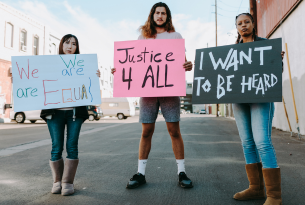
Creating Cultures of Liberation and Justice
5.0
Free to YIPA Members
-
Completion Certificate
-
100% Online Course
-
Intercultural Engagement
Honoring Young People’s Cultural Identities
4.5
Free to YIPA Members
-
Completion Certificate
-
100% Online Course
-
Intercultural Engagement
Expanding Your Cognitive Empathy
Free to YIPA Members
-
Completion Certificate
-
100% Online Course
-
Intercultural Engagement

Concepts and Actions in an Equitable Youth Work Practice
4.1

Free to YIPA Members
-
Completion Certificate
-
100% Online Course
-
Intercultural Engagement

Understanding Transphobic Microaggressions and How to Avoid Them
Free to YIPA Members
-
Completion Certificate
-
100% Online Course
-
Intercultural Engagement