Everyday Courage at the Heart of Youth Work
The Field of Youth Work

Published on: February 16, 2026
Everyday Courage at the Heart of Youth Work
When we hear the word courage, we often think of big, dramatic, extraordinary moments. Maybe we picture some kind of superhero figure. While that kind of courage matters, it’s actually pretty rare. Have you ever thought about what kind of courage it takes to be a great youth worker?
Many youth workers may never have thought about their role in terms of courage. But youth work requires a great deal of uncommon courage. It’s the kind that doesn’t make headlines. Often, it doesn’t even feel heroic.
But in youth work, it shows up in ordinary moments, repeated day after day. This is everyday courage. And it’s one of the most important, and least recognized, skills in the field of youth work.
What is everyday courage?
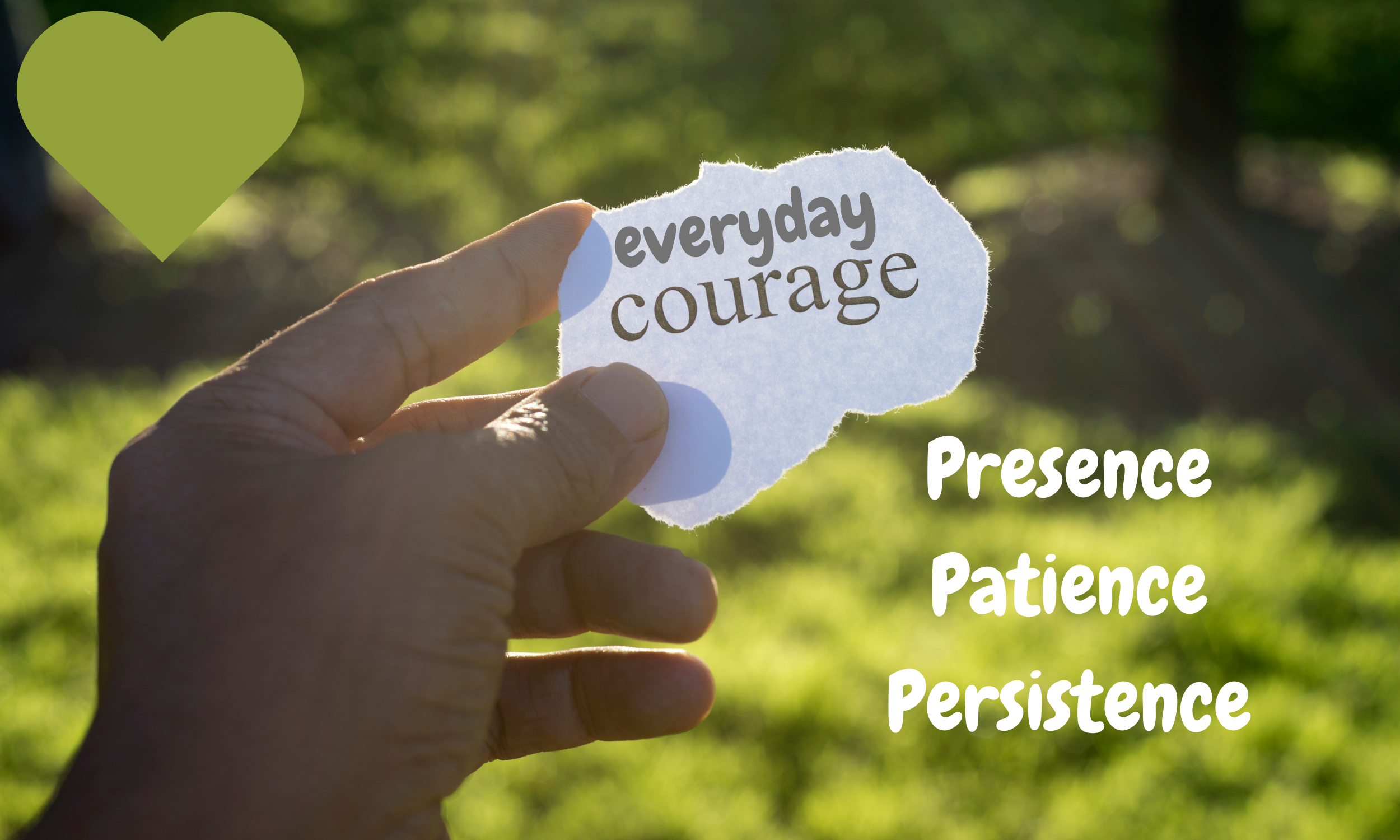
Everyday courage is about presence, patience, and persistence. It isn’t about being fearless. It’s about being brave enough to act with care even while fear, doubt, or exhaustion are present.
Youth workers need this kind of courage to stay, try again, and care, especially when the work is hard, slow, or uncertain.
It looks like:
- Showing up when progress isn’t obvious
- Choosing relationship over control
- Having the same hard conversation for the third (or tenth) time
- Sitting with a young person’s pain knowing you can’t fix it
In youth work, this kind of courage is often invisible because it’s relational and internal. But it is no less real—and often far more demanding—than the courage we usually celebrate.
Why everyday courage matters so much in youth work
Youth workers live in everyday courage more than almost any field.
That’s because youth work is built on relationships, and relationships require risk. Not one big risk, but many small ones over time.
Youth workers know the challenges and risks inherent in their relationships supporting youth development:
- Change is slow. Real growth in young people happens over months and years, not moments.
- The work is emotional. Youth workers absorb stories of trauma, loss, and injustice and still choose to stay open.
- There are few guarantees. You may never know the full impact of your presence.
- The systems are imperfect. Youth workers often advocate within structures that don’t fully support young people—or staff.
Without everyday courage, it becomes easy to pull back, go numb, or rely only on rules and routines. Courage is what keeps the work human.
What everyday courage looks like in practice
Everyday courage often shows up in small, uncelebrated choices, such as:
- Listening instead of rushing to solve
- Setting a boundary and holding it with care
- Repairing a relationship after rupture
- Staying curious when frustration would be easier
- Believing in a young person during a setback
In these small ways, working with young people may not feel like being brave. But they are all examples of where youth work asks for emotional, social, and moral courage.
How to develop everyday courage without burning out
Fortunately, everyday courage isn’t something you either have or don’t have. It’s a practice. Here are a few ways every youth worker can strengthen it.
- Learn to notice it
- At the end of the day, ask: Where did courage show up today, even quietly?
- Name moments of staying, listening, or choosing care.
- What we notice, we value. What we value, we sustain.
- Redefine what “brave” means
- Let go of the idea that courage has to be dramatic.
- Remember that repetition can be brave.
- Staying soft in a hard system is an act of courage.
- Don’t carry it alone
- Share stories of everyday courage with colleagues.
- Let leaders name and affirm this kind of work.
- Courage grows in connection, not isolation.
- Pair courage with care
- Courage without coping leads to burnout.
- Rest, boundaries, and support are not weaknesses. They make courage possible and sustainable.
Everyday courage may not look impressive from the outside, but it is the steady force that keeps youth work grounded, relational, and alive.
If you are working with young people and find yourself showing up again and again, especially when it’s hard, you are already practicing courage. Quietly. Daily. And it matters more than you know. Even if your everyday courage doesn’t ask to be celebrated, it does deserve to be recognized.
Want to learn more? We have an Interview Style training called “Cultivating Inner Strength and Courage to Address Injustice” that you may find helpful.
Related Learning Opportunities

People-Centered Leadership Certificate Course for Youth
4.4


Free to YIPA Members
-
 Completion Certificate
-
100% Online Course



The Art & Science of Youth Work certificate Course
4.9
Free to YIPA Members
-
Completion Certificate
-
100% Online Course

Bridging Community Programming and Youth Work
4.6
Free to YIPA Members
-
Completion Certificate
-
100% Online Course
-
The Field of Youth Work

Social Activism in Youth Work
5.0
Free to YIPA Members
-
Completion Certificate
-
100% Online Course
-
The Field of Youth Work
What It Takes to Stay Even When the Work Gets Hard
Free to YIPA Members
-
Completion Certificate
-
100% Online Course
-
The Field of Youth Work

YOU Are Youth Work
4.4
Free to YIPA Members
-
Completion Certificate
-
100% Online Course
-
The Field of Youth Work
Sustaining Your Impact Through Self-Care
Free to YIPA Members
-
Completion Certificate
-
100% Online Course
-
The Field of Youth Work