From Knowing You Matter to Knowing You Make a Difference
Intercultural Engagement

Published on: November 2, 2026
We tell young people they matter. We encourage them to believe in themselves, recognize their strengths, and imagine a future full of possibilities. We remind them that they have something to offer the world.
But there’s a difference between hearing that you matter and experiencing that you make a difference. That you are needed.
Young people need to know they make a difference
Young people need opportunities to see that their presence affects other people, that their ideas can influence what happens, and that their contributions have value. These experiences can help them develop a sense of meaning and purpose.
In December 2025, Gallup, the Walton Family Foundation, and the Making Caring Common project at the Harvard Graduate School of Education, surveyed more than 2,400 Gen Zers (roughly 14 to 29 years old in 2026).
About one in three Gen Z respondents said they didn’t feel needed by others.*
That matters when many young people are navigating disconnection, instability, and pressure to figure out who they are on their own. We ask them to discover their identities and find their purpose. But how much harder is that without opportunities to experience their significance to others?
Youth workers can help change that. And Indigenous perspectives on relationships, community, and belonging along with intercultural awareness trainings offer a meaningful place to begin.
Belonging is a relationship, not just a feeling
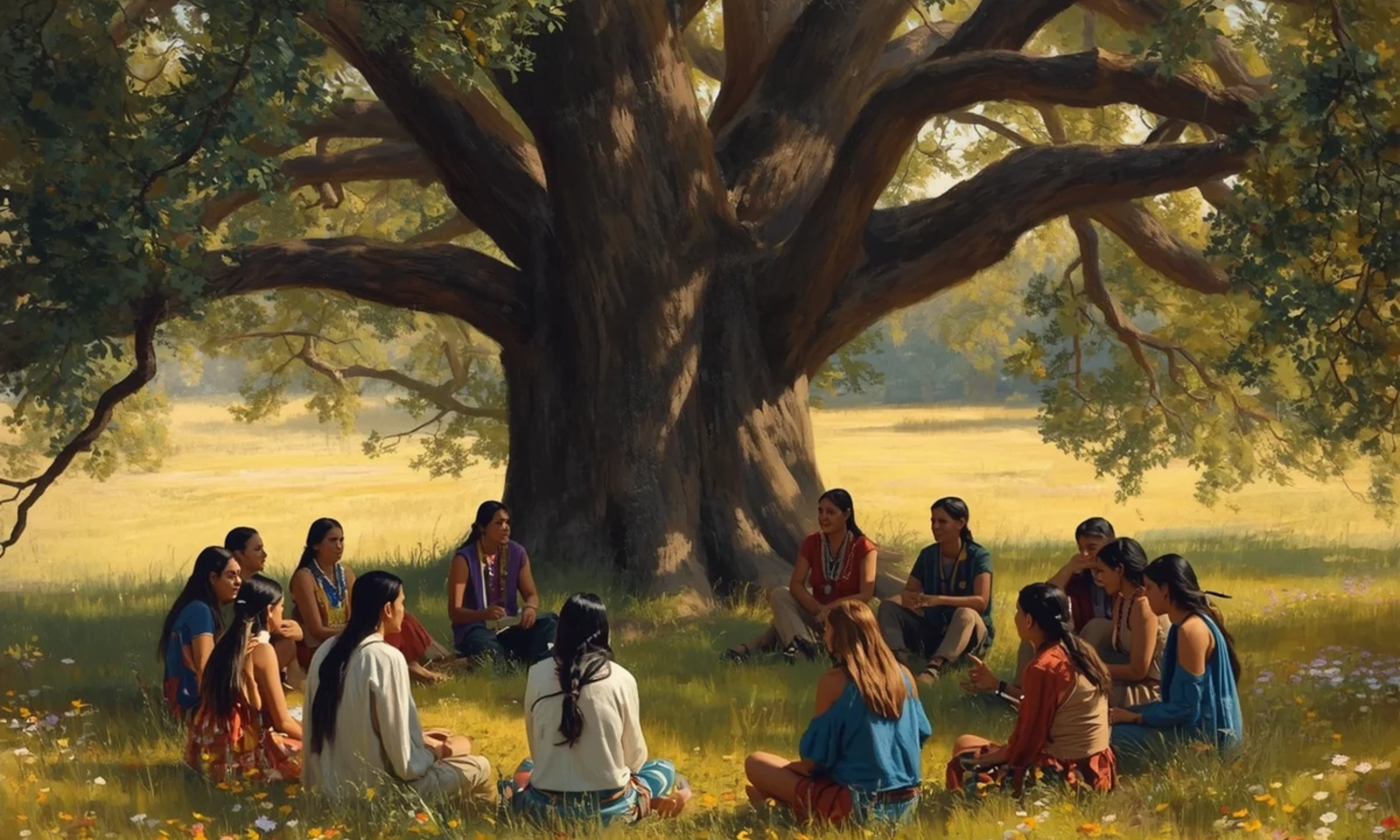
Many Indigenous communities have teachings emphasizing relationships connecting people, family, community, land, and future generations. These perspectives are diverse, with distinct teachings and practices belonging to specific peoples and communities.
Dakota perspectives offer a particularly relevant example. Research developed with the Dakota Wicoḣaƞ Community explored how Dakota cultural teachings can strengthen Native students’ sense of belonging through relationships with family, extended family, community, and the natural world.
This understanding invites us to see belonging as more than being welcomed or accepted. It also involves having a meaningful place within a network of relationships.
For youth workers, this raises an important question:
Are we simply creating spaces where young people can participate, or are we helping them experience that they have something meaningful to contribute?
A young person can attend a program, receive encouragement, and be treated kindly without ever experiencing that their ideas matter or that someone benefits from their presence. Helping young people develop a sense of belonging means creating opportunities for them to experience those connections in tangible ways.
Help young people make a difference
Youth workers can turn this important idea into everyday practice. Rather than simply telling young people they have something to offer, we can help them discover what that contribution might look like.
- Start with what matters to them. Get curious about their interests, concerns, and ideas. Ask what they wish were different in their school, neighborhood, or community. Listen for what they care about and the strengths they already bring.
- Create opportunities for meaningful contribution. Invite young people to shape activities, solve problems, organize projects, or share their skills. Give them genuine choices and appropriate responsibility, rather than asking them to carry out plans adults have already made. Participation becomes more meaningful when young people have a voice and choice.
- Make their impact visible. Help young people connect their actions to their effects. Show them how their ideas influenced a decision, how their effort helped someone, or how their contribution moved a shared project forward.
- Reflect on the experience together. Ask what they contributed, what they learned from others, and what surprised them about working together. These conversations help young people recognize the connection between their actions and shared outcomes.
The goal isn’t to make young people responsible for fixing problems or to suggest they must be useful to deserve care. Their worth isn’t something they have to earn. It’s about helping them experience both that they are valued as they are and that they have something meaningful to offer.
Make mattering part of everyday youth work
You don’t need to launch a major community project to put this into practice. Small, consistent experiences matter, too. A young person’s suggestion changes how a group operates. Someone asks for their help because their knowledge or skill is valued. They see how following through on a commitment helps others succeed.
These moments help young people recognize that they aren’t simply recipients of support. They are people with perspectives, abilities, and contributions that matter to others.
Native American Heritage Month offers an opportunity to learn from Indigenous voices and specific community teachings about relationships and belonging. That means listening to Indigenous leaders and youth, understanding the cultural context of what they share, and reflecting on what their perspectives invite us to reconsider.
For youth workers, one question is worth carrying into everyday practice:
What can I do today to help a young person see that something is better because they were part of it?
We can’t remove every source of uncertainty or disconnection in a young person’s life. But we can create opportunities for them to contribute, connect with others in meaningful ways, and experience the significance of their presence.
Knowing you matter is powerful. Knowing you make a difference gives that belief somewhere to take root.
*Gallup, Walton Family Foundation, and the Making Caring Common project at the Harvard Graduate School of Education Gen Z survey source https://static.waltonfamilyfoundation.org/f8/fa/cca25aa844d6a79e09162b8c5789/wff-gallup-voices-of-gen-z-report-helping-others-supports-meaning-and-wellbeing-final.pdf
Related Learning Opportunities
People-Centered Leadership Certificate Course for Youth
4.4


Free to YIPA Members
-
 Completion Certificate
-
100% Online Course


The Art & Science of Youth Work certificate Course
4.9
Free to YIPA Members
-
Completion Certificate
-
100% Online Course

Gender Literacy for Inclusive Youth Work
5.0
Free to YIPA Members
-
Completion Certificate
-
100% Online Course
-
Intercultural Engagement

LGBTQ Foundations: Awareness, Knowledge, and Skills
5.0
Free to YIPA Members
-
Completion Certificate
-
100% Online Course
-
Intercultural Engagement
Actionable Support Strategies for LGBTQ+ Youth
Free to YIPA Members
-
Completion Certificate
-
100% Online Course
-
Intercultural Engagement
Seeing Beyond Labels
Free to YIPA Members
-
Completion Certificate
-
100% Online Course
-
Intercultural Engagement
Expanding Your Cognitive Empathy
Free to YIPA Members
-
Completion Certificate
-
100% Online Course
-
Intercultural Engagement
Honoring Young People’s Cultural Identities
4.5
Free to YIPA Members
-
Completion Certificate
-
100% Online Course
-
Intercultural Engagement

Concepts and Actions in an Equitable Youth Work Practice
4.1

Free to YIPA Members
-
Completion Certificate
-
100% Online Course
-
Intercultural Engagement
Understanding Transphobic Microaggressions and How to Avoid Them
Free to YIPA Members
-
Completion Certificate
-
100% Online Course
-
Intercultural Engagement